Future Trends in Bookkeeping Workflow: 2026 Guide
Explore emerging bookkeeping workflow trends for 2026, including automation, AI, integration, and process improvements that can reshape accounting operations.
Disclosure: BrainyFlavors is reader-supported. When you buy through links on our site, we may earn an affiliate commission at no extra cost to you.
What Is a Modern Bookkeeping Workflow?
Traditional bookkeeping was defined by physical paper ledgers, manual spreadsheet entry, and tedious month-end reconciliations. Today, a modern ledger environment operates on cloud-connected databases, instant digital data ingestion, and automatic transaction classification. Understanding the future trends in bookkeeping workflow is essential for business owners who want to maintain high operational clarity, reduce error rates, and eliminate administrative bottlenecks.
By shifting toward fully integrated cloud systems, organizations can transition from retrospective financial reports to live, predictive accounting insights. This evolution allows companies to establish real-time visibility into cash positions and make critical strategic decisions with high confidence.
Core Drivers of Future Trends in Bookkeeping Workflow
The transition toward decentralized, intelligent ledgers is accelerated by the rise of artificial intelligence, real-time banking APIs, and continuous audit frameworks. Embracing these future trends in bookkeeping workflow ensures that your business can scale without a linear increase in administrative costs.
Automated Invoice Ingestion
Optical character recognition technology extracts invoice details instantly, matching receipts with transactions and routing them for approval without human intervention.
Continuous Reconciliation
Live bank feeds continuously match ledger items daily, eliminating the traditional, high-stress month-end close cycle and providing always-accurate balance sheets.
Predictive Cash Flow Analysis
Machine learning models analyze historic spend patterns and invoice schedules to forecast cash availability, helping teams navigate potential seasonal cash crunches.
Autonomous Expense Auditing
Algorithms categorize and audit employee expense submissions based on corporate policy compliance, flagging unusual items for review automatically.
How Automated Data Processing and AI Systems Work
Automated systems work by establishing standardized data pipelines where external financial documents are ingested, parsed, and recorded instantly. Moving toward these automated frameworks helps minimize the traditional friction points that slow down business growth.
Real-world benchmarks indicate that transitioning to automated tools saves hours of manual labor across key task categories. This allows small teams to achieve high-volume operational throughput without adding expensive accounting overhead.
| Workflow Feature | Manual Bookkeeping | Automated Ledger Environment | Operational Impact |
|---|---|---|---|
| Reconciliation | Performed monthly using paper bank statements | Daily matching via continuous API live feeds | Reduces transaction errors by up to ninety percent |
| Document Collection | Physical filing cabinets and scattered email attachments | Centralized cloud receipts synced from mobile apps | Saves hours of search time during year-end tax season |
| Reporting Output | Static spreadsheets updated weeks after month-end | Dynamic web dashboards updated in real time | Supports rapid, confident executive decision making |
Common Implementation Pitfalls and Mistakes
The most common failure during an accounting upgrade is assuming that technology can fix a broken manual system. Business leaders must first document their baseline steps, establish clear process rules, and clean their data directories before integrating complex software.
To support your team during these operational transitions, we suggest building a foundation of strategic thinking and utilizing AI tools to automate complex tasks. The following curated resources are highly effective tools for scaling organizations.
The ChatGPT Millionaire
By: Neil Dagger (Paperback)
Consensus: 4.1 out of 5 stars (4,758 reviews)
Price: \$12.99
An exceptional operational resource that explains how to leverage generative AI models to write copy, automate daily admin tasks, and build digital workflows to scale productivity.
LLC Beginner's Guide
By: Carolyn Ava Martin (Paperback)
Consensus: 4.6 out of 5 stars (943 reviews)
Price: \$24.99
A comprehensive masterclass on starting and growing a company. It includes vital instructions on managing your baseline business tax strategies, regulatory compliance, and clean accounting setups.
Your Bookkeeping Modernization Action Plan
Transitions should be executed in phases rather than overnight. This checklist provides a direct path to aligning your bookkeeping department with upcoming technological advances and software optimizations.
- Review your current invoice collection practices to identify repetitive manual paper tasks.
- Ensure that your core accounting system supports native bank feeds for continuous reconciliation.
- Transition your file directories to secure, cloud-hosted platforms for instant document accessibility.
- Read our specialized guide on accounting automation best practices to establish clear operational guardrails.
- Evaluate your software setup by following our checklist on how to choose bookkeeping software tailored for growth.
- Implement structured daily or weekly transaction reviews using small business bookkeeping best practices as a framework.
Pro-Tip: Clean Your Baseline Ledger First
Automation will accelerate your bookkeeping, but if your historical accounts are disorganized, you will only automate the production of errors. Spend time resolving old discrepancies before launching live cloud sync integrations.
Frequently Asked Questions
Will AI systems replace human bookkeepers entirely?
AI-driven tools handle repetitive data entry, transaction categorization, and invoice extraction. This shifts the role of professional bookkeepers from manual data input to strategic oversight, variance analysis, and higher-level advisory services.
How secure are cloud-synced bookkeeping software applications?
Leading cloud platforms protect financial data using advanced encryption, multi-factor authentication, and secure bank integration tokens. This configuration is significantly more secure than hosting financial spreadsheets on unsecured local office computers.
What is the cost of adopting modern bookkeeping automation software?
Initial software subscriptions are offset by the dramatic reduction in manual hours spent on administration. Most small businesses find that automated ledger systems pay for themselves within the first month of optimized workflows.
Summary and Preparing Your Accounting Operations
Aligning your operations with the future trends in bookkeeping workflow is a critical component of building a scalable business. By understanding how automated processes function, eliminating implementation mistakes, and taking methodical action steps, you can secure high financial predictability.
To expand your understanding of modern accounting, read about how AI is changing record to report processes, or discover our advanced guidelines on what is record to report in accounting to maximize your team's efficiency.
Written by
Shafaul Islam
Senior Financial Analyst & Content Strategist specializing in bookkeeping architectures, Record-to-Report workflows, and SME financial management.
Comments
Leave a comment
Comments are moderated and will appear after approval.
Recommended Products

QuickBooks Online Survival Guide for Beginners - 2026 Updated Edition: Step-by-Step Guide to Mastering QuickBooks Online, Fixing Common Errors, ... Accounting Experience for Small Business.
A step-by-step beginner's guide to mastering QuickBooks Online, fixing common errors, and running small-business accounting with confidence.
Check Price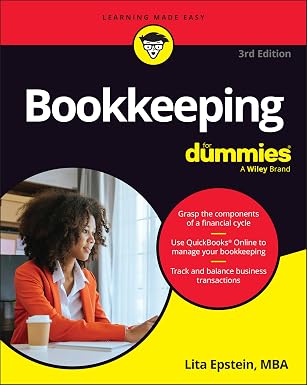
Bookkeeping For Dummies (For Dummies: Learning Made Easy)
A friendly, practical introduction to bookkeeping fundamentals - ledgers, journal entries, and everyday financial record-keeping made approachable for beginners.
Check Price
FYI: For Your Improvement - Competencies Development Guide, 6th Edition
A practical development companion for identifying professional strengths, building competencies, and turning improvement areas into focused growth.
Check PriceRelated Articles
FreightGuard — Automated Carrier Invoice & Rate Auditor
Connect FedEx, UPS, DHL, and LTL carrier API billing feeds. Automatically matches billed freight against negotiated contract rate cards to flag discrepancy claims.
Read Article →AI-Powered Productivity and Freelance Automation Guide
AI-powered productivity helps freelancers turn repetitive work into repeatable workflows. This guide explains how to automate tasks without losing human oversight or quality.
Read Article →Record to Report Software: BlackLine vs Workiva vs HighRadius
BlackLine, Workiva, and HighRadius approach record to report automation from different angles. This comparison helps US finance leaders evaluate their AI, close, reporting, consolidation, and governance priorities.
Read Article →